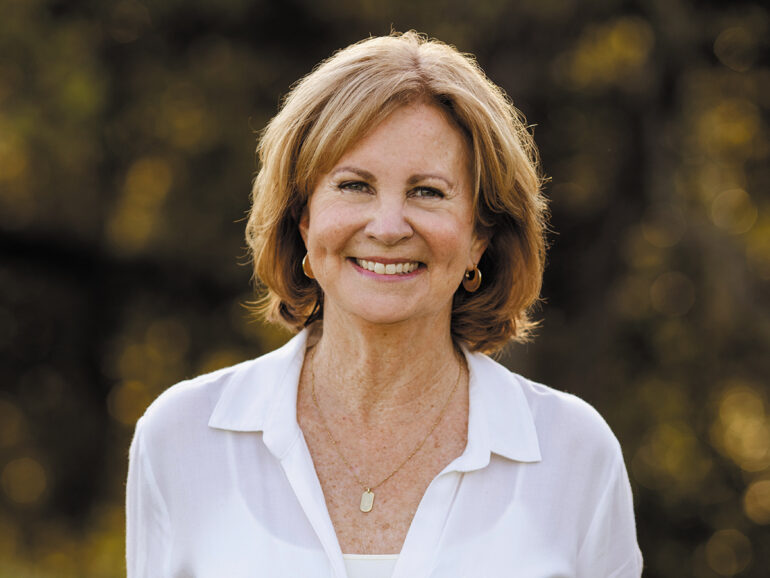
If you had told me 15 years ago, at the height of my drinking, that I’d not only get sober but write a memoir about the most raw and painful details of my recovery journey, I would have spat out my chardonnay, let out a loud, panicked laugh, and quickly refilled my glass. Back then, the idea of a future without alcohol horrified me, but living with it had become its own nightmare.
Drinking was deeply rooted in my Irish Catholic culture — cocktail hour was the highlight of our family gatherings. Mixing drinks had been a special tradition between my dad and me since I was small enough to need a high chair to stand on and plop cherries into Manhattans and olives into martinis.
I was 16 — a time of my life where I was insecure and socially awkward — when I had my first drink. I got invited to my first real party and a friend thrust a doctored Big Gulp into my hands. The punch of Bacardi turned the youthful taste of Coke into something adult and naughty. Down the hatch and poof, alcohol became my fairy godmother, turning me into “Fun Mary,” the belle of the ball — laughing, chatting and flirting with ease. After more drinks, I had my first kiss and then ran to a cornfield to throw up. Best night of my then-life.
For the next 30 years, I grappled with my relationship with alcohol, refusing to admit to myself that I was an alcoholic because there was no way I was giving it up. I believed that alcohol not only made me the life of the party, but that it also sparked intimacy, alleviated boredom and reduced stress and anxiety. But the consequences piled up along with the bottles: blackouts, hangovers, shame and self-loathing. And it kept putting me in risky situations, including a life-threatening one. I scaled a wall to get to a party and fell three stories, which landed me in a hospital for five weeks with a broken back and a crushed heel. I was at risk for paralysis, so I was immobilized with sandbags in bed for three weeks, then put in a body cast. I told myself that the accident had nothing to do with alcohol — I’d only had three drinks, a warm-up act for me by then.
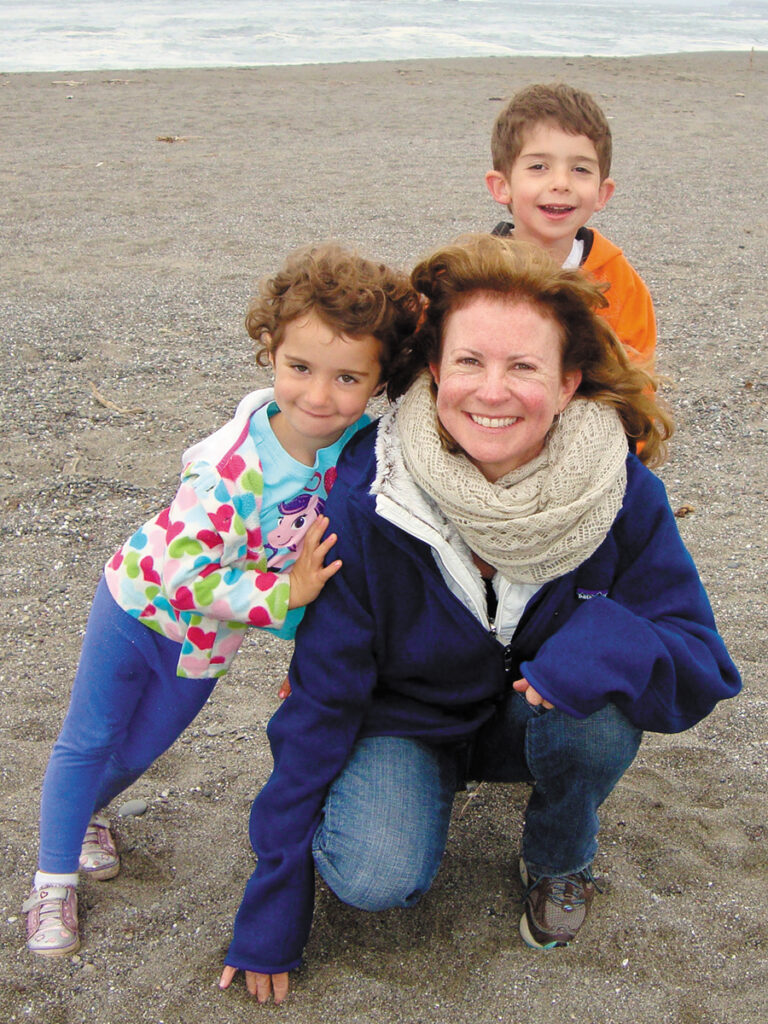
When I was single, I convinced myself that the pros of drinking outweighed the cons, because I wasn’t hurting anyone else. All that changed when, at 39, I married a wonderful man, moved to Marin and quickly had two beautiful kids (Irish twins). My weekday drinking escalated to escape the domestic doldrums. A daily glass of wine to dull the kids’ tantrums during their “witching hour” (my former happy hour), another with dinner and perhaps a third after they went to bed. That was normal, I told myself. Lots of Marin moms did that. Or at least the ones I liked to spend time with. But my weekend binge drinking was the real issue. I struggled to hide my blackouts and hangovers from my husband, fearing an ultimatum, but it took an incident at a family pool party when my kids were four and five to hit my breaking point. I made a drunken crack that my son better not fall off the noodle in the deep end because I didn’t want to put down my wine glass to save him, and then proceeded to get blackout drunk.
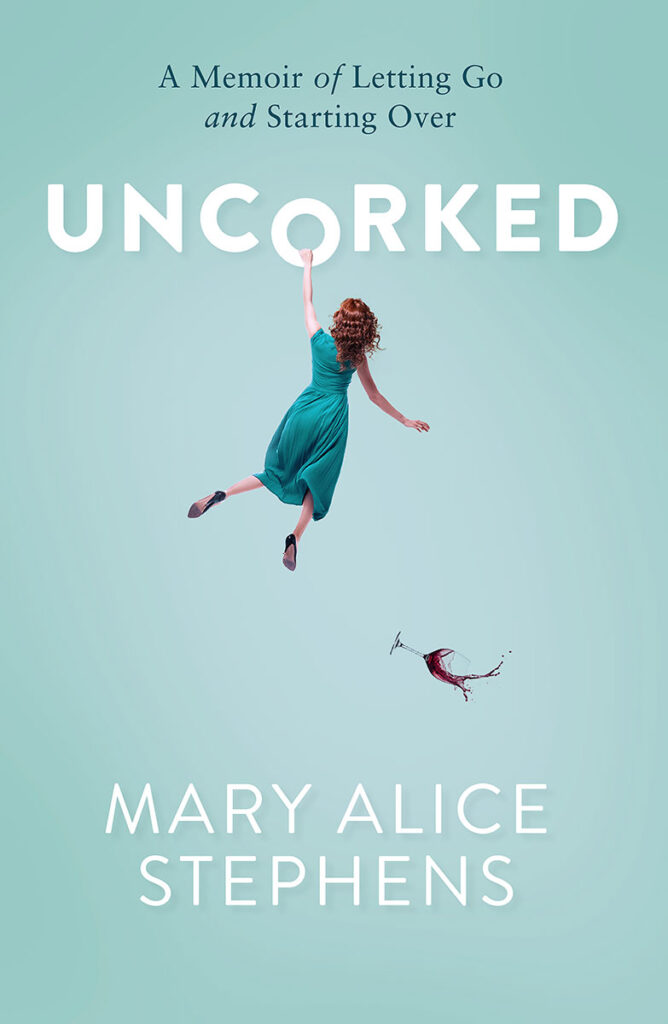
The next morning, with a raging hangover and no memory of how the night before ended, my mom instincts finally kicked in: I realized I had prioritized drinking over my kids’ safety, and not for the first time. Though I dreaded the death of Fun Mary, I knew I had to quit before something tragic happened. That day, August 8, 2011, at the age of 45, I made the life-changing decision to get sober and went to my first Alcoholics Anonymous meeting.
That first year of sobriety was the biggest challenge I’d ever faced. I felt like that socially awkward teen again. I had to learn to feel my feelings instead of relying on alcohol to amplify the good times and numb the hard ones. But it was also the most profound and rewarding experience of my life. I felt proud of myself, and rebuilding my self-worth meant more to me than alcohol ever did.
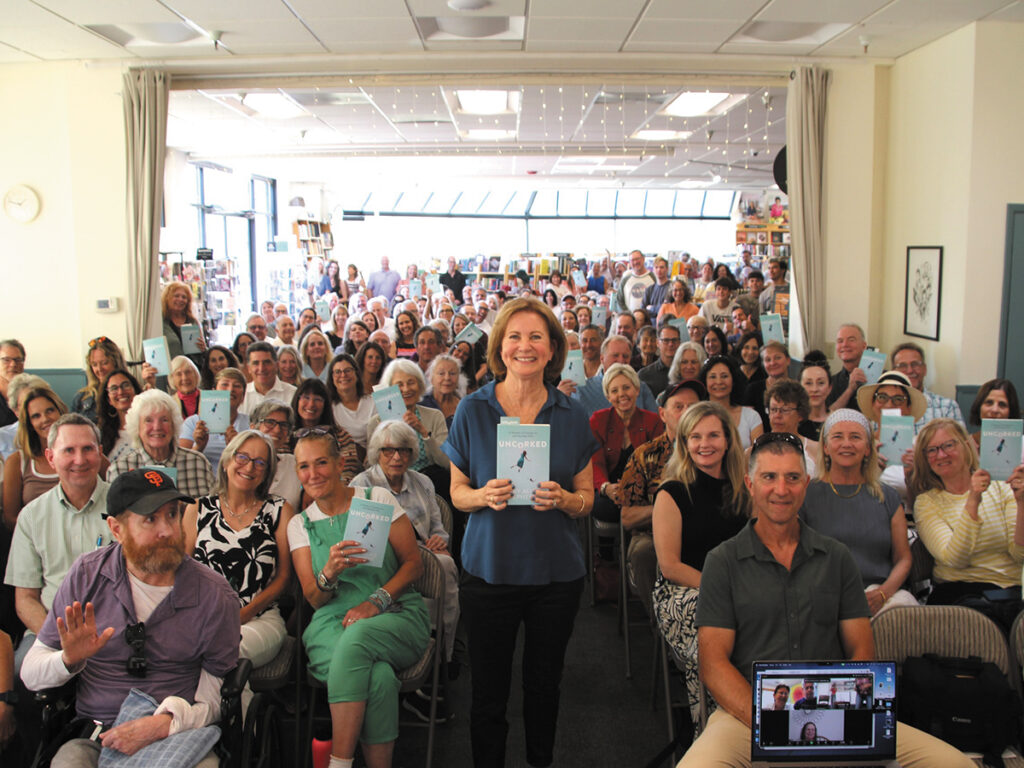
In the first couple years of sobriety, I devoured sobriety memoirs, but many focused on the “before” instead of the recovery. I didn’t see my story — the alcoholic hiding in plain sight without a DUI arrest, divorce or custody battles. So, in 2013, I started writing the book I needed in early sobriety when I was so raw, vulnerable and lonely. I wanted to hold readers’ hands during their early recovery and give them hope. I wanted to show them that getting sober can open up a whole new world, that you can put the words “fun” and “sober” in the same sentence.
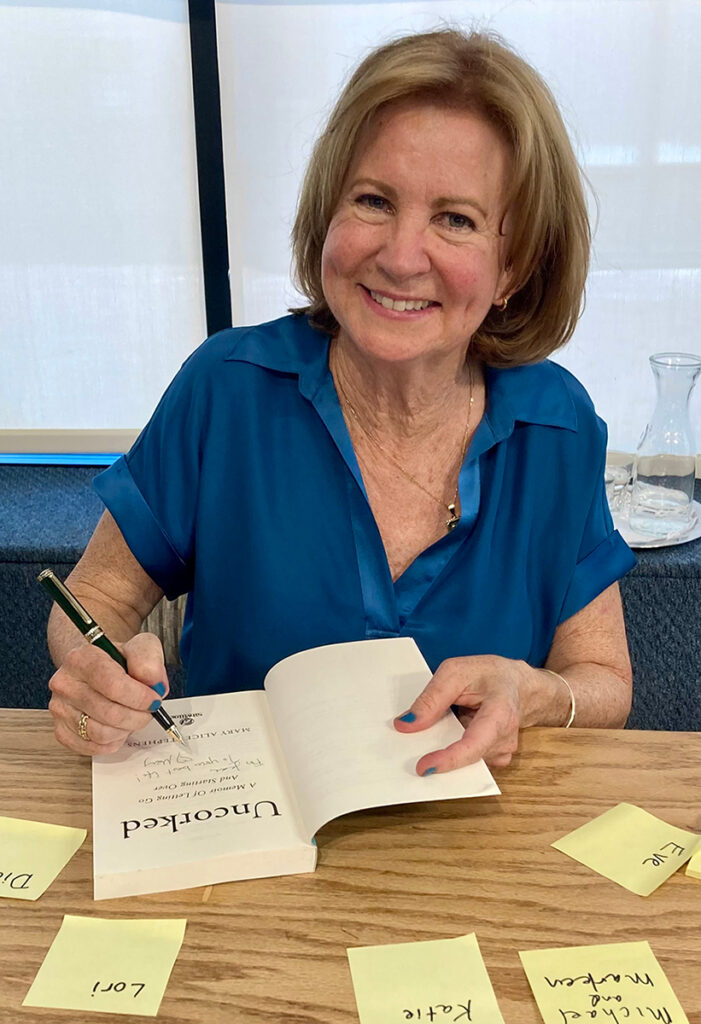
I may have set out to write this sobriety memoir to help others, but through the process, my own recovery grew deeper. I now see Uncorked as a love story — one that began with my tortured love affair with alcohol, but once that ended, sobriety strengthened my relationships with the true loves of my life. Writing this memoir deepened my love and appreciation for my husband of 20 years, whose unwavering support throughout my sobriety journey has been so vital, and revealed how sobriety changed my parenting. Not drinking allowed me to be a much more present mom, to cherish the precious moments and to better handle the challenging ones with my children, who are now 18 and 19.
It took me more than a decade to write Uncorked, but those years were essential. Quitting drinking was only the beginning. Emotional sobriety takes time — it’s a journey of authenticity that continues to reveal itself, and has made my life richer and more meaningful. I hope that my story can inspire others, whether it be with letting go of addiction, rediscovering purpose or rebuilding a life from the inside out.