

As the holiday season approaches, you might be figuring out ways to plan a big event to bring family and friends together. If you really want to do things properly, you’ll want to send out invitations, but many of us don’t know where to begin when it comes to these formalities.
Proper etiquette for invitations depends on the context — social, professional or formal — but there are a few universal guidelines to keep in mind. Ultimately, invitations are about making people feel welcome and respected. Clear communication, thoughtful timing and kindness in both the invite and any follow-up are the foundation of proper etiquette.
Here’s our guide to writing and sending invitations to get that coveted RSVP back.
1. Clarity in the Invitation
- State the purpose clearly: Whether it’s a dinner, a wedding or a business event, be upfront about the occasion.
- Include the essentials: Who, what, when, where, dress code (if any) and RSVP instructions.
- Tone matters: Match the wording to the formality of the event. For instance, casual gatherings can use a warm, informal tone, while formal events call for polished language.
2. Timing

- Send invitations early enough:
- Casual gatherings: 1–2 weeks in advance.
- Dinner parties: 2–3 weeks in advance.
- Weddings or formal events: 6–12 weeks in advance (longer if travel is required).
- Casual gatherings: 1–2 weeks in advance.
- Follow up politely: If RSVPs are missing, a gentle reminder is appropriate, but avoid being pushy.
3. Respect for Guests
- Personalize when possible: A handwritten note or tailored wording makes guests feel valued.
- Avoid overloading: Don’t assume people can bring guests unless you specify “+1” or “with partner.”
- Be considerate of logistics: Provide directions, parking info and/or accommodations if relevant.
4. RSVP Etiquette
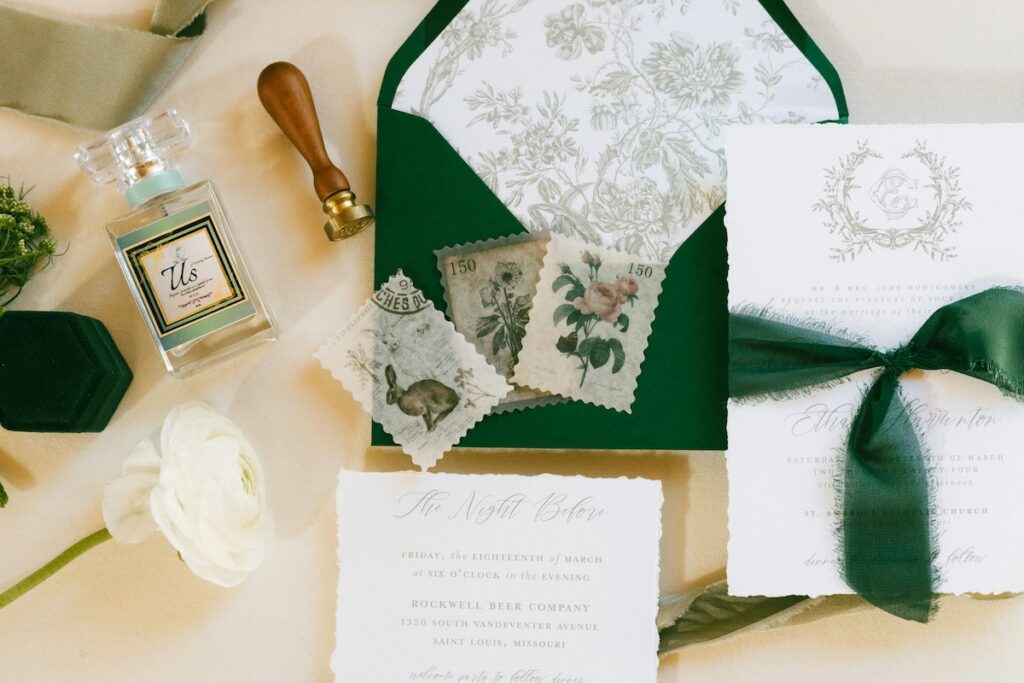
- Guests should respond promptly: Ideally within a week of receiving the invitation.
- Hosts should make it easy: Provide clear RSVP methods (email, text, reply card, online link).
- Respect capacity: Politely decline if you can’t accommodate extra guests, but do so with kindness.
5. Professional Invitations
- Keep them concise, respectful and neutral in tone.
- Use professional channels (email, calendar invite, formal card) depending on the event.
- Clarify expectations — whether it’s a networking mixer, meeting or presentation.