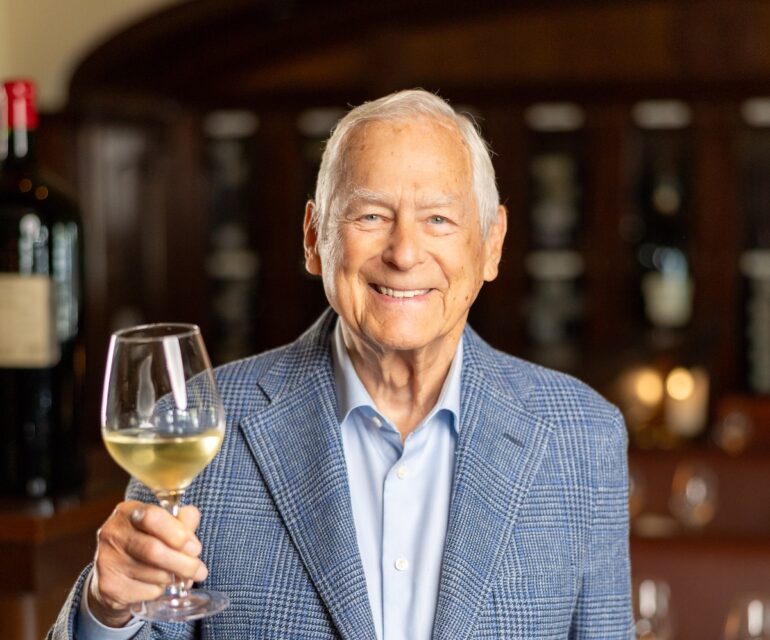
Celebrated restaurateur Larry Mindel helped transform the Bay Area’s culinary landscape by bringing authentic Italian cuisine to the forefront. As the founder of legendary restaurants like Ciao!, Prego, Poggio and the driving force behind Il Fornaio’s nationwide success, Mindel’s story is equal parts passion, creativity and bold business instinct.
Did you really start your first company at 26 with just $36 in the bank?
Yes, it’s true. I bought Caswell Coffee, a San Francisco institution.
What brought you to California?
I graduated from the University of Michigan in 1959 and moved to California in 1960. I remember landing in San Francisco and calling my mother from a payphone, saying, ‘Mom, I am never ever coming home.’ California has that effect. It felt like heaven to me. As a matter of fact, when people ask me about living in the Bay Area, I tell them it’s God’s country.
So, how did you build a multimillion-dollar restaurant empire from there?
Let me start by saying, I never managed a restaurant nor cooked a meal in one. So, you can imagine how inept I was. But I was very fortunate to raise some money. One restaurant went very well, so we did another one. They succeeded because my real strength was identifying, finding and hiring wonderful people. My passion was in the creative side — to build restaurants that didn’t exist before.
You are credited with helping bring authentic Italian cuisine to California, if not the U.S. What inspired your deep connection to Italy?
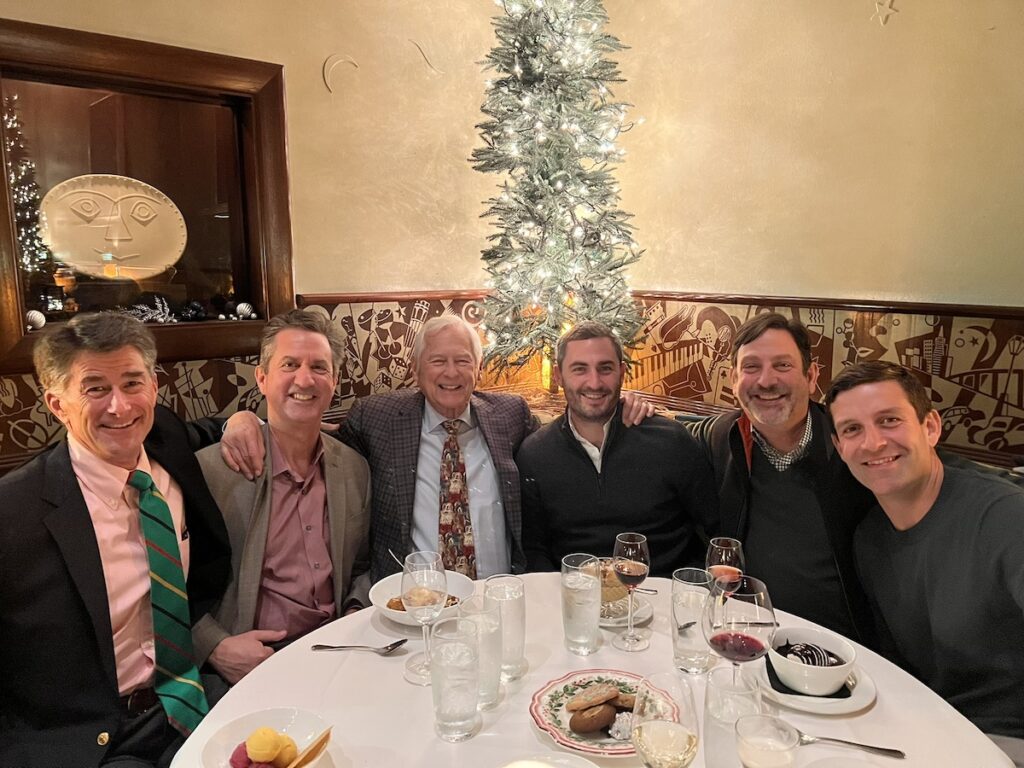
I first visited Italy after college and fell in love with the people and culture. For our restaurants, I hired native Italians and took our managers on annual trips to Italy. We studied the food and service, comparing true Italian to the Americanized version. And they got it. They understood the value of authenticity — of having chefs who cooked real Italian food. Not because they read about it in a book, but because they had it in their hearts.
You’ve opened a myriad of successful restaurants like Chianti, Prego and Ciao! and introduced the open-kitchen concept to the U.S. Can you share how you became a trend-setter in American restaurant design?
That was pure luck. On a trip to Italy with some of my team, we had planned to eat at the supposed best restaurant in Florence on our last night. But when we got there — no reservation. So, I said, “Isn’t there any place you can put us? We’re only four people. We came all the way to Italy to eat great food, and we’re here because your food is supposed to be the best.”
One of the staff said, “Well, there is a place… but you might not want to sit there.” And he took us into the kitchen. There was a wooden bench, some seating at different heights, and we were right in the middle of the action. I loved it. We sat there watching the chefs. And I learned a lesson that I brought back to San Francisco: people love sitting close to the action, seeing how the food is made.
Is it true the Il Fornaio deal started on the back of a napkin?
Absolutely. Two friends, Howard Lester of Williams-Sonoma and financier Warren Hellman, asked me to lunch. They were tired of losing money on Il Fornaio and asked me to take it over. I told them I’d do it under three conditions: I own 51%, there’s no debt and the company has $200,000 in the bank. They agreed.
When you took over in 1987, Il Fornaio was just a handful of bakeries. What was your vision to make it a successful empire?
I loved the product, but I knew small bakeries couldn’t support top-tier managers. It would never pencil. So, I merged the bakery model with full-service Italian restaurants and hired the best people.
What’s the recipe for running a successful restaurant?
First, you have to have great food. You can’t try to fool people into paying for food that isn’t wonderful and special. Second, it has to be delivered by people who 100% believe in the food, the chef and our vision for the restaurant to be a community gathering place. Third, the staff better love the place they’re working in. Finally, the idea is to make money, but you don’t have to gouge the customer. I try to keep our prices reasonable.
You were the first person of non-Italian descent to receive the prestigious Caterina de’ Medici medal from the Italian government, recognizing excellence in the preservation of Italian heritage outside of Italy. Tell us about that.
There I was on the podium, a little Jewish boy from Toledo, with tears coming down my face, receiving the highest honor they could award a non-Italian. A dream come true. I can’t tell you how much it meant to me.
Would you say receiving that medal was your greatest achievement?
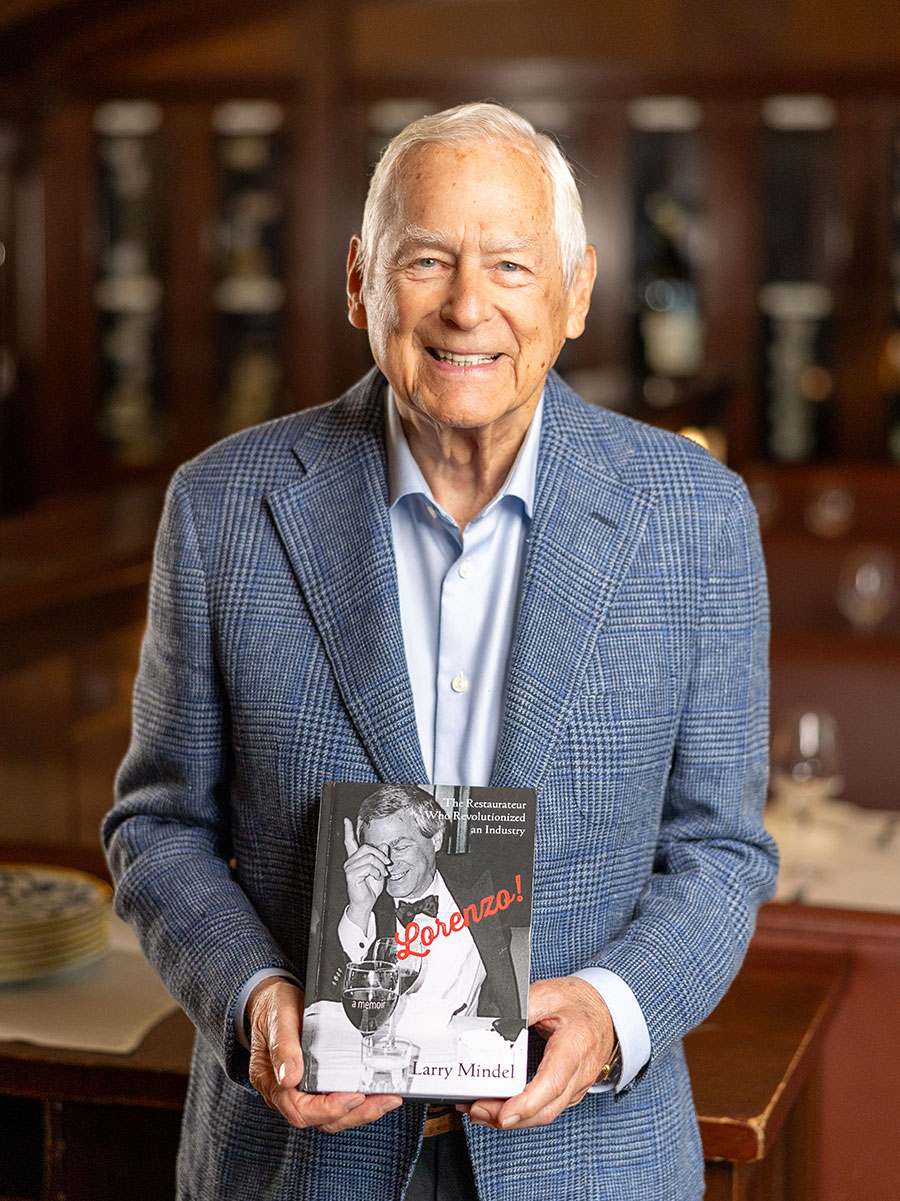
The Caterina de’ Medici medal was the most meaningful gift anyone has given me in recognition of what I’ve done. But in terms of achievement? Some say I’ve opened 100 restaurants. I don’t know if that’s true, but let’s say it’s been 50 or 60. And most of them have succeeded. That is my proudest achievement. We worked hard, tried hard, and dreamed a whole lot.
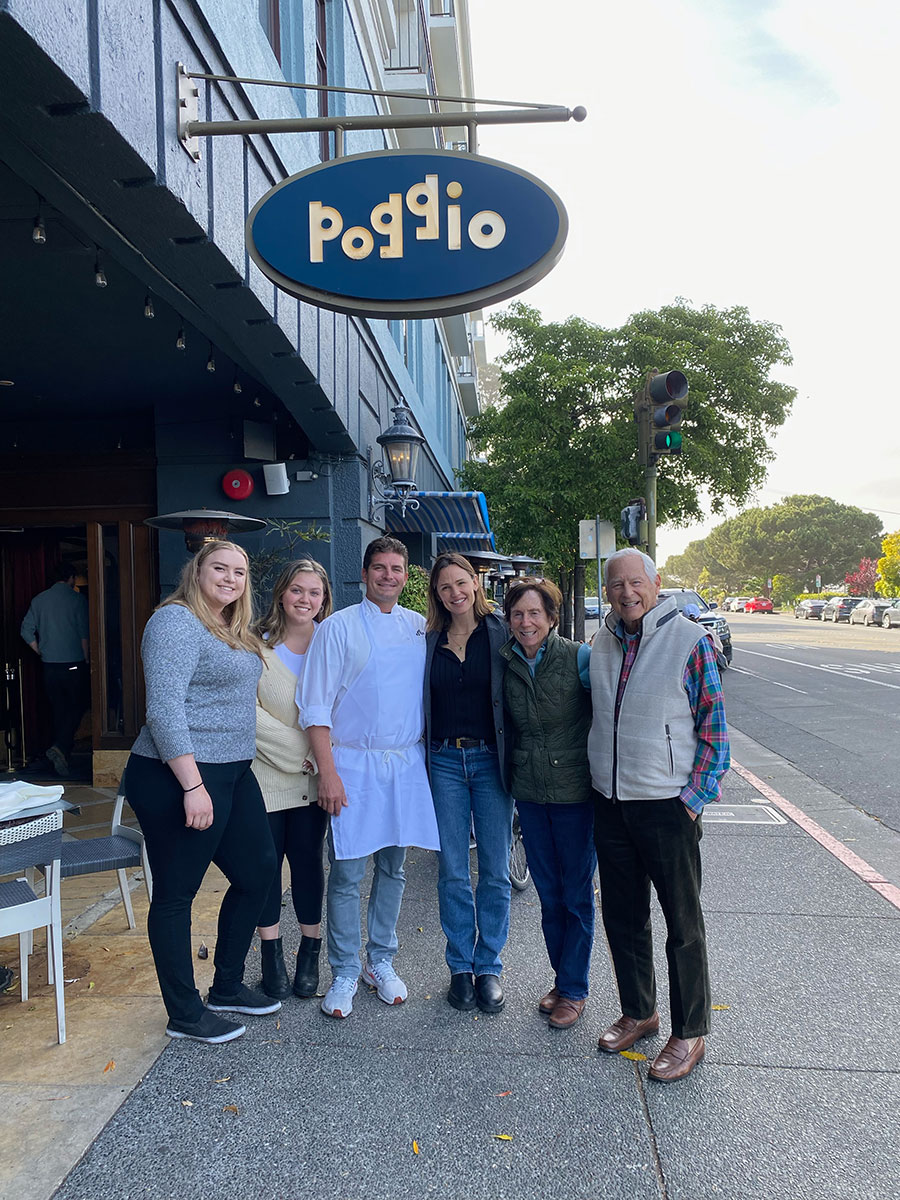
Your restaurant Poggio has been a beloved local Sausalito institution for over 20 years. You must be proud of that.
Yes but building a restaurant in my hometown had its pluses and minuses. The plus: I would do anything to make sure it was perfect. It kept me up at night. There’s a little more pressure when you open a restaurant where you live. I wanted it to be a place people came to time after time, where our servers recognized them by name, and the food made them truly happy. If I failed at any of that? How the hell could I live with it after being in Sausalito for 53 years? You’re kind of betting your friendships on it. Luckily, it seems to have worked out.
Are any of your children involved in the business?
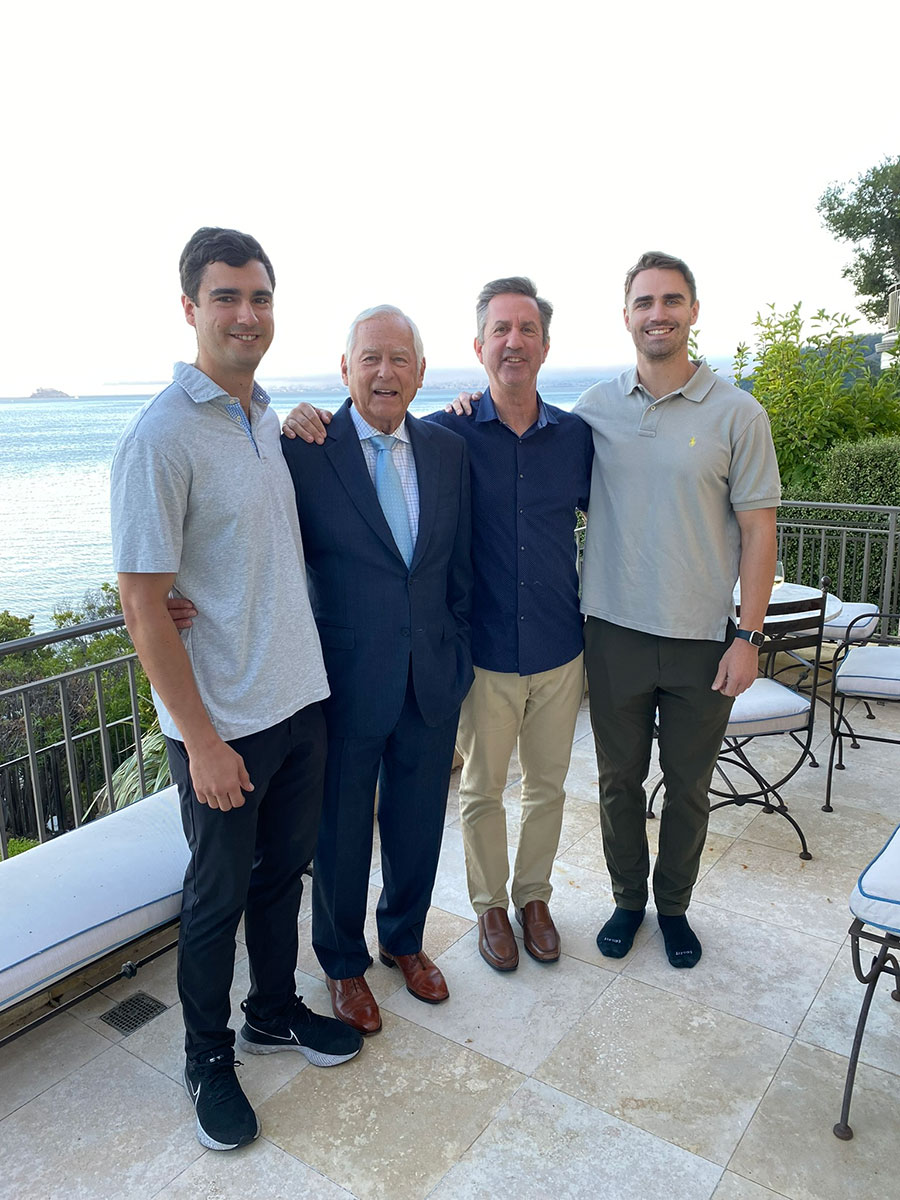
I’ve got five children, and my eldest son, Michael Mindel, has been very involved in the restaurants. It’s truly one of the great blessings of my life — working with my son.
What’s your biggest takeaway from it all?
That I’m the luckiest guy I’ve ever known. I got to meet terrific people, go to places I never dreamed I’d visit and have the fun of conceiving a successful group of restaurants. It’s been a thrilling ride.
If you could open one final dream restaurant — no rules, anywhere in the world — what would it be?
Funny you ask. I was just talking about this with my son. If I were to open one last restaurant, it would be right here in my backyard, overlooking the Bay. A great seafood restaurant with its own fishing boats that went out every single day and caught fresh fish we’d cook over a wood-burning grill. And we’d serve Maine lobster — my favorite dish on earth. That’s the one kind of restaurant I haven’t done, and I’ve always wanted to, because I love fish and all kinds of fishing. So, get ready, it’s gonna happen. And you’ll be my first guest.