
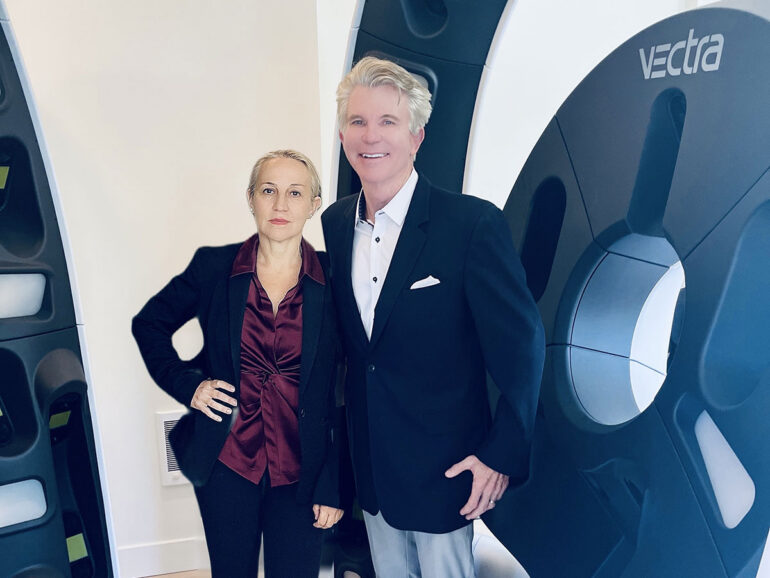
The region’s first whole-body VECTRA® WB360 scanner and a new partnership between The Maas Clinic and Quantum Dermatology are taking preventative skin care and advanced diagnostics to the next level.
Medicine has traditionally been built around responding rather than anticipating. But with the advent of innovative technology paired with top-tier human expertise, preventive care is entering a new era at The Maas Clinic in San Francisco.
Long known for his work in facial plastic, aesthetic, and reconstructive surgery, Corey Maas, MD, FACS, a renowned board-certified facial plastic surgeon, has joined forces with Susana Ortiz Urda, MD, PhD, a board-certified dermatologist, physician-scientist, and founder of Quantum Dermatology. Dr. Maas has long set the standard in surgical precision and facial rejuvenation, and the addition of Quantum Dermatology grounds the clinic’s offerings in comprehensive skin surveillance and cellular-level care. At the heart of the collaboration is a shared philosophy: genuine aesthetic beauty begins with optimal skin health and proactive cancer prevention. Their united vision for the future of medicine involves a multidisciplinary approach that brings together advanced technologies and expertise in longevity, wellness, and appearance care. A winning combination indeed.
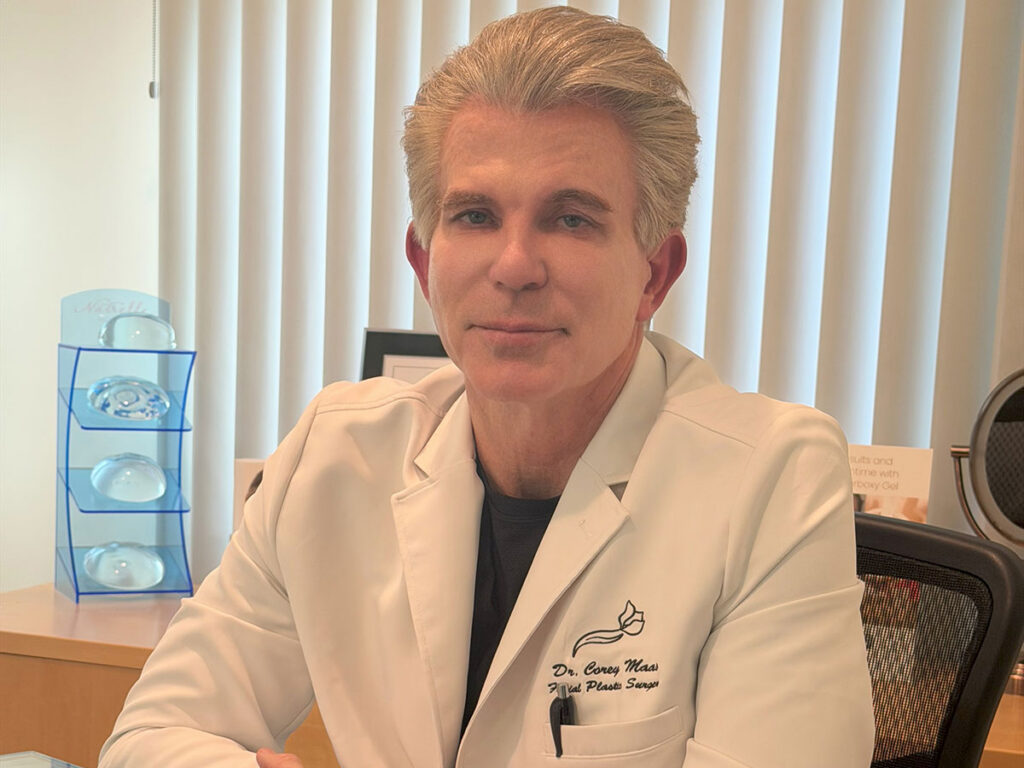
“Keeping our patients healthy has to come before any aesthetic outcome,” Dr. Maas says, explaining his decision to invest in Dr. Ortiz Urda’s vision of transforming comprehensive skin examinations by integrating the most advanced imaging technologies, precision diagnostics, and innovative approaches to skin cancer prevention.
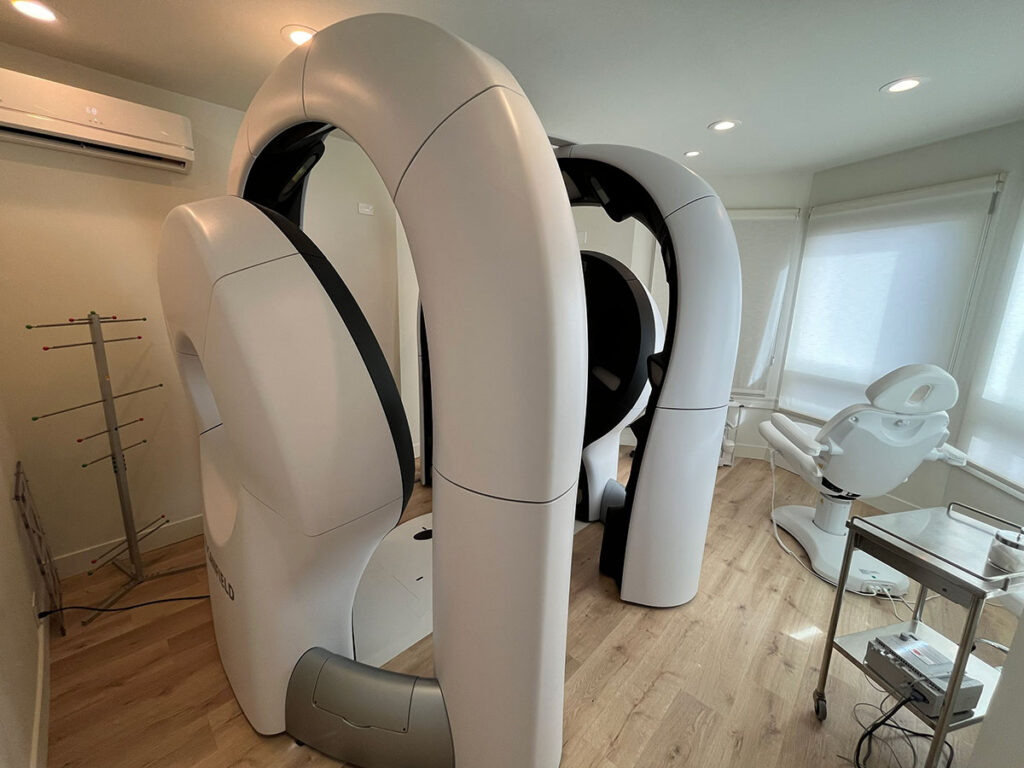
Fewer than 20 of these scanners are in use across the country, and this is the first in Northern California.
A Map That Remembers
The new revolutionary VECTRA® WB360 gives Dr. Ortiz Urda a tool no other dermatologist in Northern California can currently offer. In a matter of seconds, it photographs the entire surface of the body. Software then tags individual moles and lesions, creating a detailed personal map that Dr. Ortiz Urda can track from visit to visit. This technology allows her to flag subtle shifts in size, shape, or appearance that might signal melanoma or another skin cancer, long before a conventional exam or the human eye would catch them.
Once a patient has a baseline scan, every future visit becomes a comparison rather than a fresh guess.
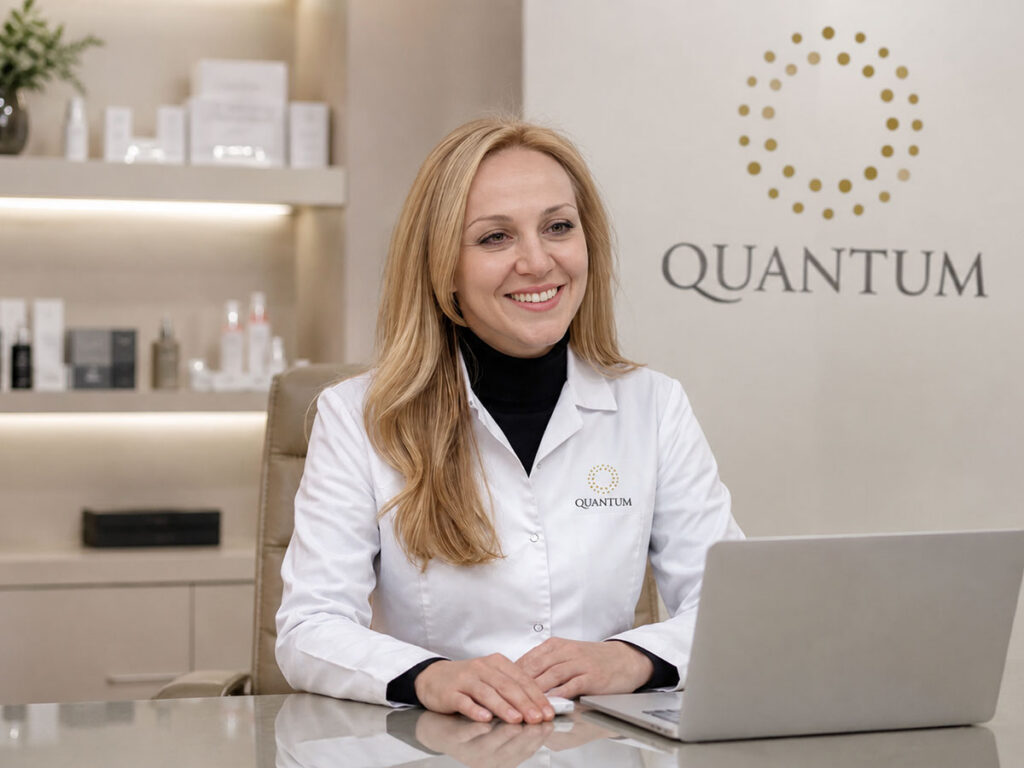
Dr. Ortiz Urda speaks bluntly about the limits of the old way of doing things. “A traditional total-body skin exam depends heavily on a dermatologist’s memory and photographs taken with a handheld camera, and that approach can miss the kind of gradual change that separates a harmless mole from early melanoma,” she explains. The new system, she adds, “maps every inch of the skin in three dimensions and lets me follow a single lesion across visits with a level of precision no exam room camera has given me before.”
Immediately after a scan, patients sit down with Dr. Ortiz Urda to review the results, so anything suspicious can be evaluated promptly.
The Arithmetic of Early Detection
The case for this kind of vigilance is, in the end, statistical. Skin cancer is by far the most common cancer in the United States. The American Cancer Society reports roughly 5.4 million cases of basal cell and squamous cell carcinoma diagnosed each year, spread across about 3.3 million people. According to them, melanoma is one of the most common cancers in young adults in the United States, so the need for preventive and baseline measures is imperative.
Fortunately, skin cancer is also among the most treatable cancers when found early. “Technology that advances early detection in a clinical setting matters enormously to patients and our community,” Dr. Maas notes. The gap between a minor procedure and a serious illness is often measured in months of delay, and the entire value of a tool like the VECTRA® WB360 lies in shrinking that gap.
A Perfect Pairing
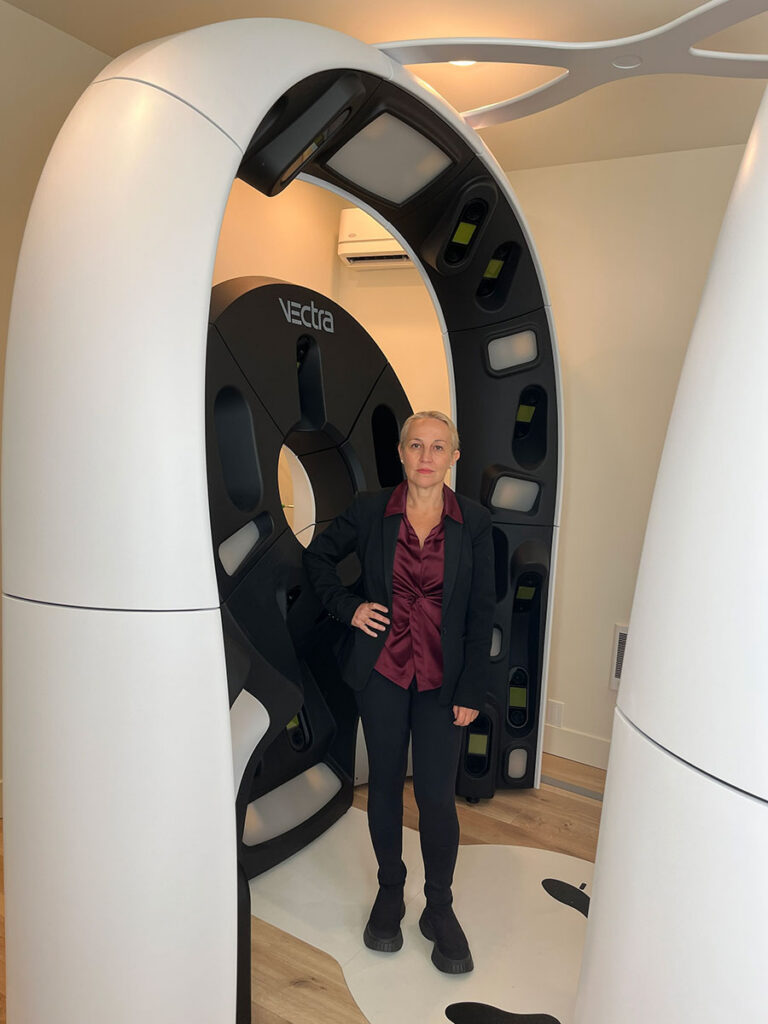
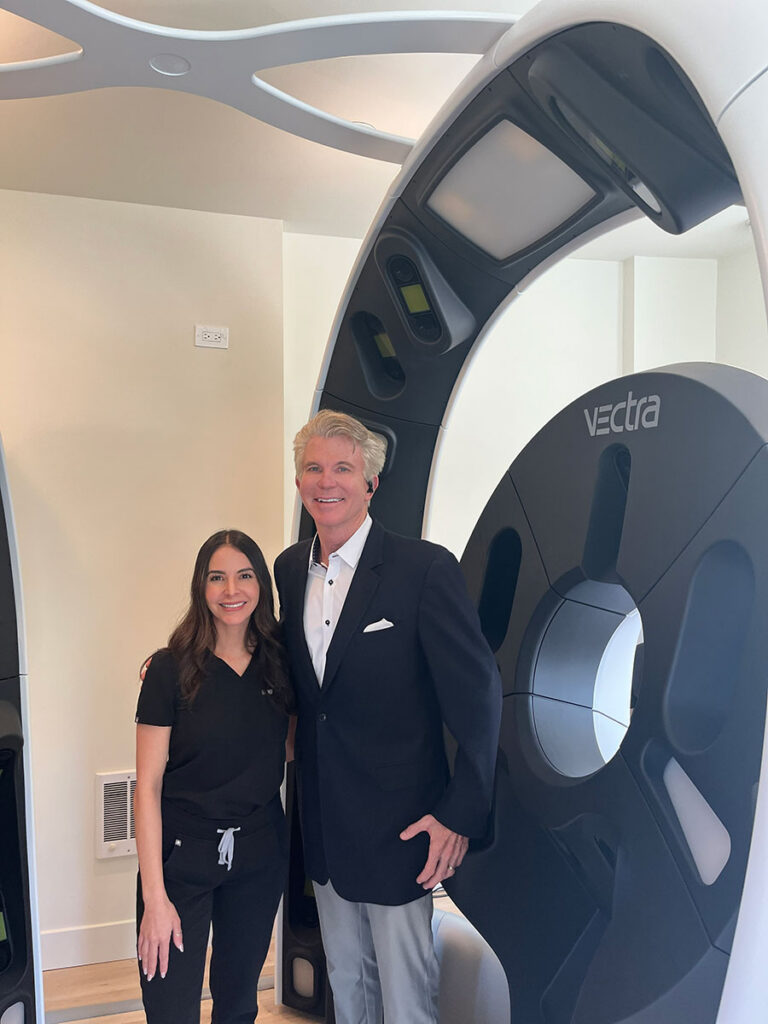
Not only can this cutting-edge scan serve as a routine screening and acute diagnostic tool, but it’s also radiation-free and affordable. It can also be used as a pre-surgical evaluation before plastic or reconstructive procedures, another example of why the two specialties belong under one roof. The addition of Dr. Ortiz Urda’s comprehensive dermatology services further enhances The Maas Clinic’s established aesthetic offerings, creating a more integrated approach to skin health, rejuvenation, and overall appearance. Patients can now access medical dermatology, skin cancer screenings, mole mapping, and advanced skin surveillance alongside the clinic’s existing services, including facial plastic surgery, facial rejuvenation, injectables, laser treatments, skin resurfacing, and medical-grade skincare.
This collaboration bridges the gap between medical dermatology and aesthetic medicine, allowing patients to address skin health and prevention while also pursuing their aesthetic goals under one coordinated approach to care.