
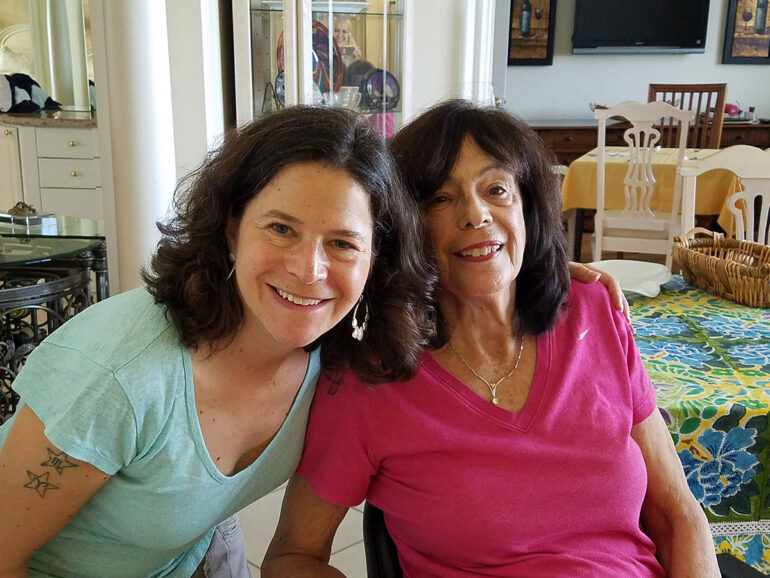
It might sound strange, but finding out that I was the carrier of a fatal neurodegenerative gene was the best thing to ever happen to me.
Let me explain.
I was simultaneously caring for my husband, who was going through chemotherapy for stage IV lymphoma, and my mother, who was dying of a fatal neurodegenerative disease called Amyotrophic Lateral Sclerosis (ALS). Every six weeks I would fly to Florida to look after her, as she lost the ability to walk and use her hands. Meanwhile, I juggled the demands of parenthood, often worrying that I was neglecting our two sons, 12 and 14 years old — the eldest of whom was struggling with behavioral issues.
My previously “idyllic life” in San Anselmo had become unmanageable.
In this moment, I knew that I may have passed the gene on to my children, but I was determined they didn’t have to suffer the way my mother did. Finding a cure for C9orf72 gave me a warrior’s sense of purpose and I dove into educating myself. I learned that, according to the CDC, about 30,000 people in the US have ALS, which makes it a rare but deadly disease. Life expectancy after symptom onset is only 2–5 years, and about 90% of cases have no known cause — the remaining 10% of cases are genetic. Typical disease onset age for C9orf72 carriers is about 57. There is no cure.
Later that year I received some life-altering information: I was a carrier of C9orf72, the same gene mutation that causes ALS. The results came after several months of trying to figure out how to get tested. Because my grandfather had died of ALS, and because my mom had it, I suspected that it was genetic, but had no idea how to find out whether I was a carrier. It took several months of online searching, but I eventually found a neurologist at Stanford who helped confirm my suspicions.
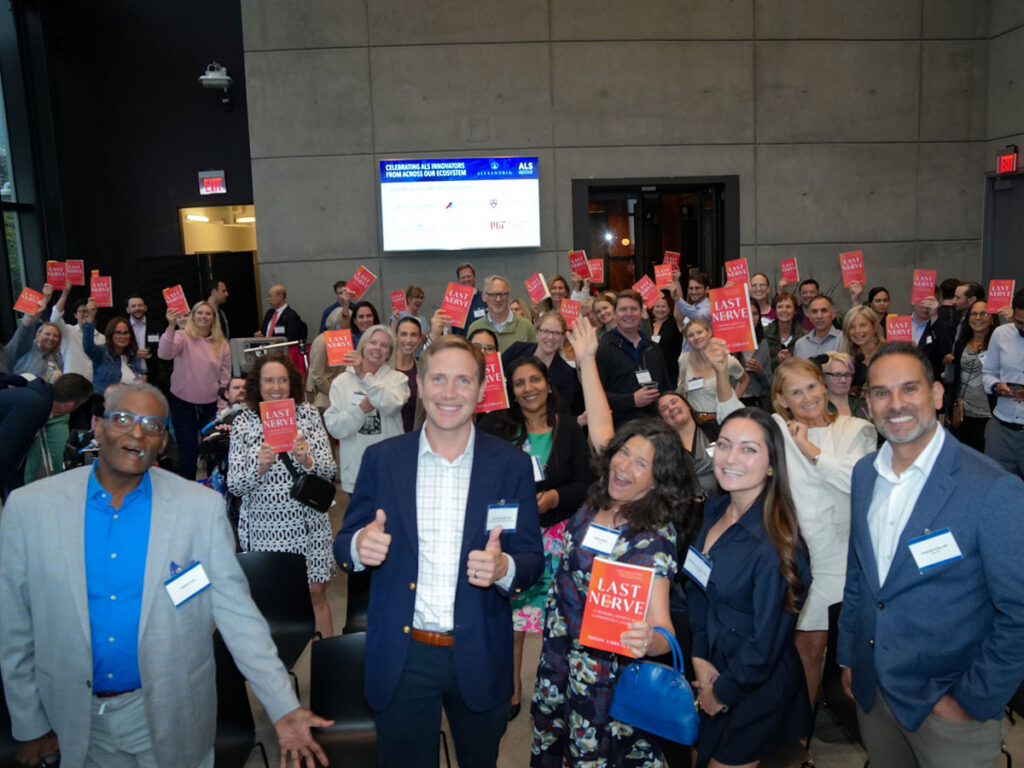
After my mom died in 2020, I found another genetic carrier of C9orf72 on the ALS Therapy Development Institute’s (TDI) website. TDI is a nonprofit lab that exists to cure ALS, and the researchers there put me in touch with a community of genetic carriers. A small group of us realized that we couldn’t be the only carriers, so over the years, we made as much of a stir in the medical community as we could. We testified before the FDA and the NIH about the rights of presymptomatic genetic carriers of neurodegenerative diseases and spoke with representatives in DC about ALS funding. People watched our webinars that demanded that genetic carriers be enrolled in clinical trials for ALS/FTD drugs.
By 2022, the larger ALS community started to hear us, and our group grew. My genetic ALS friends and I created End the Legacy, a nonprofit that supports people affected by genetic ALS and FTD. In the meantime, I enrolled in over twenty observational studies of C9orf72. These studies didn’t give me access to drugs that may prevent ALS or FTD, but I contributed my blood, skin samples, spinal fluid, cognitive tests, MRI images and time to medical universities and governmental organizations that study ALS and FTD. I vowed to stay active in this kind of research until there was a cure.
In 2023, because of my medical advocacy, I was nominated onto a committee at the National Academy of Science, Engineering and Medicine appointed to write a consensus report on how to make ALS a livable disease. I spent 18 months with neurologists, pharma experts, nurses and other ALS experts, and, in 2024, when the report Living with ALS was submitted to Congress, the genetic community was front and center in several chapters.
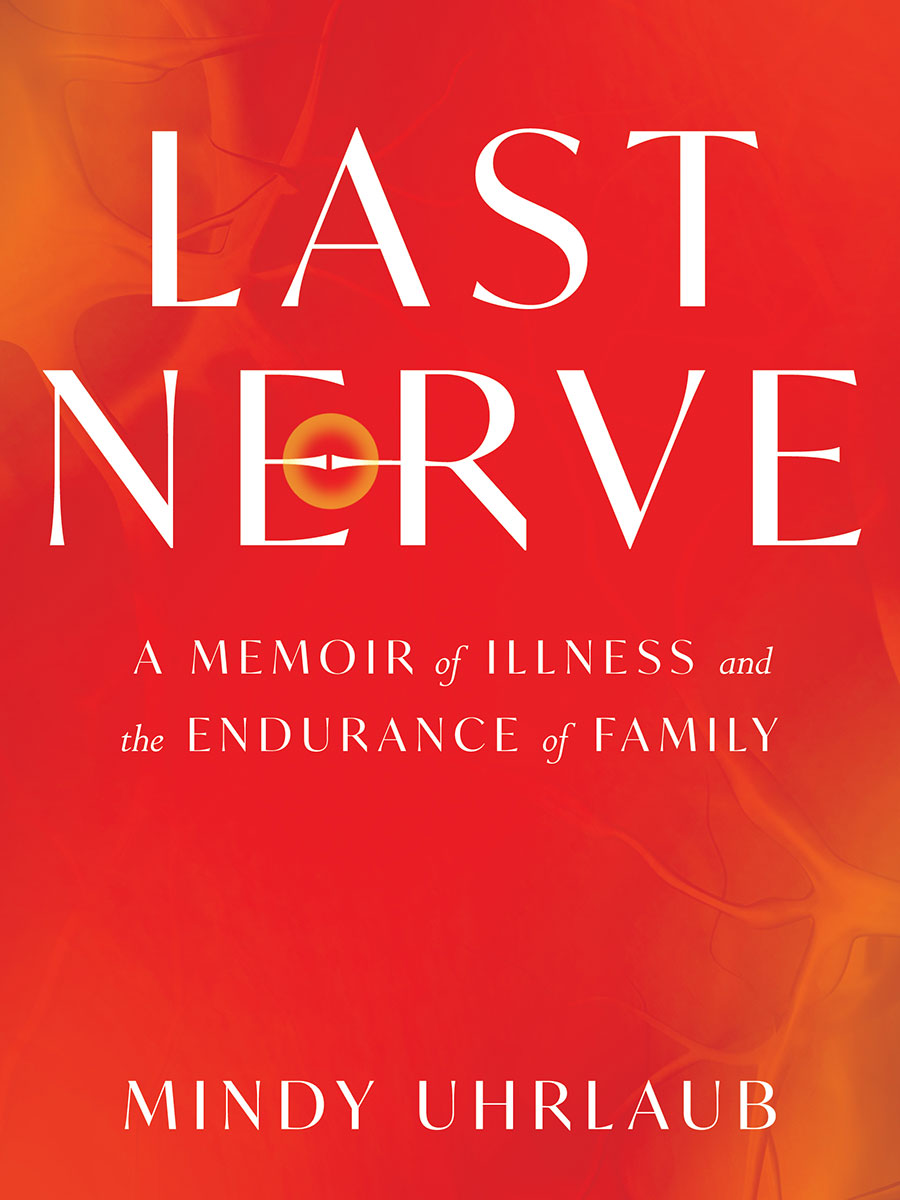
Throughout all of this, I kept a journal. Over the course of five years, I chronicled my experience as a caregiver to my husband, sons and mother. I had always kept a journal, but during those difficult years, I found it to be especially therapeutic. And when I went back and read the early entries about caretaking, I realized that they read like a book. These entries eventually went on to become my latest book, Last Nerve: A Memoir of Illness and the Endurance of Family, which was published in May 2025. There were no other memoirs about genetically-inherited ALS/FTD, and I realized that I could potentially help people going through the process of testing for fatal genes like C9orf72. Once I saw it in print, I also realized that there is a huge population of people in midlife who are simultaneously caring for kids, parents, and spouses but who don’t know how to care for themselves. I’ve heard from readers that it’s helped them put the challenges of midlife in perspective.
C9 and FTD
Carriers of the C9orf72 gene are also at risk of developing Frontotemporal Dementia (FTD), a shrinking of the frontal lobe which can cause behavior changes, language disorders and personality changes at a young age (typically 45–65 years old).
May is ALS Awareness Month. If you’re interested in getting involved, consider these organizations:
ALS Therapy Development Institute
A nonprofit lab that only researches ALS
Genetic ALS &FTD: End the Legacy
Provides resources and support for people impacted by genetic ALS and FTD.
The Association for Frontotemporal Dementia
Supports those affected by FTD